
California quietly crossed a line that many cat lovers have wanted for years.
Starting January 1, 2026, veterinarians in the state can no longer perform elective declawing, meaning declawing done for convenience rather than medical necessity.
The change comes through Assembly Bill 867 and places California among the largest jurisdictions to formally restrict a practice that has been steadily falling out of favor in modern feline care.
The law allows exceptions only when a veterinarian determines the procedure is required for the cat’s health. That distinction matters.
This is not about banning medical care. It is about ending a surgery that has historically been performed to protect furniture rather than animals.
Animal welfare groups and veterinary associations have increasingly supported this shift as understanding of feline anatomy and behavior has improved.
Why Declawing Is More Than a Nail Removal
If you have never looked closely at what declawing actually is, the name is misleading.
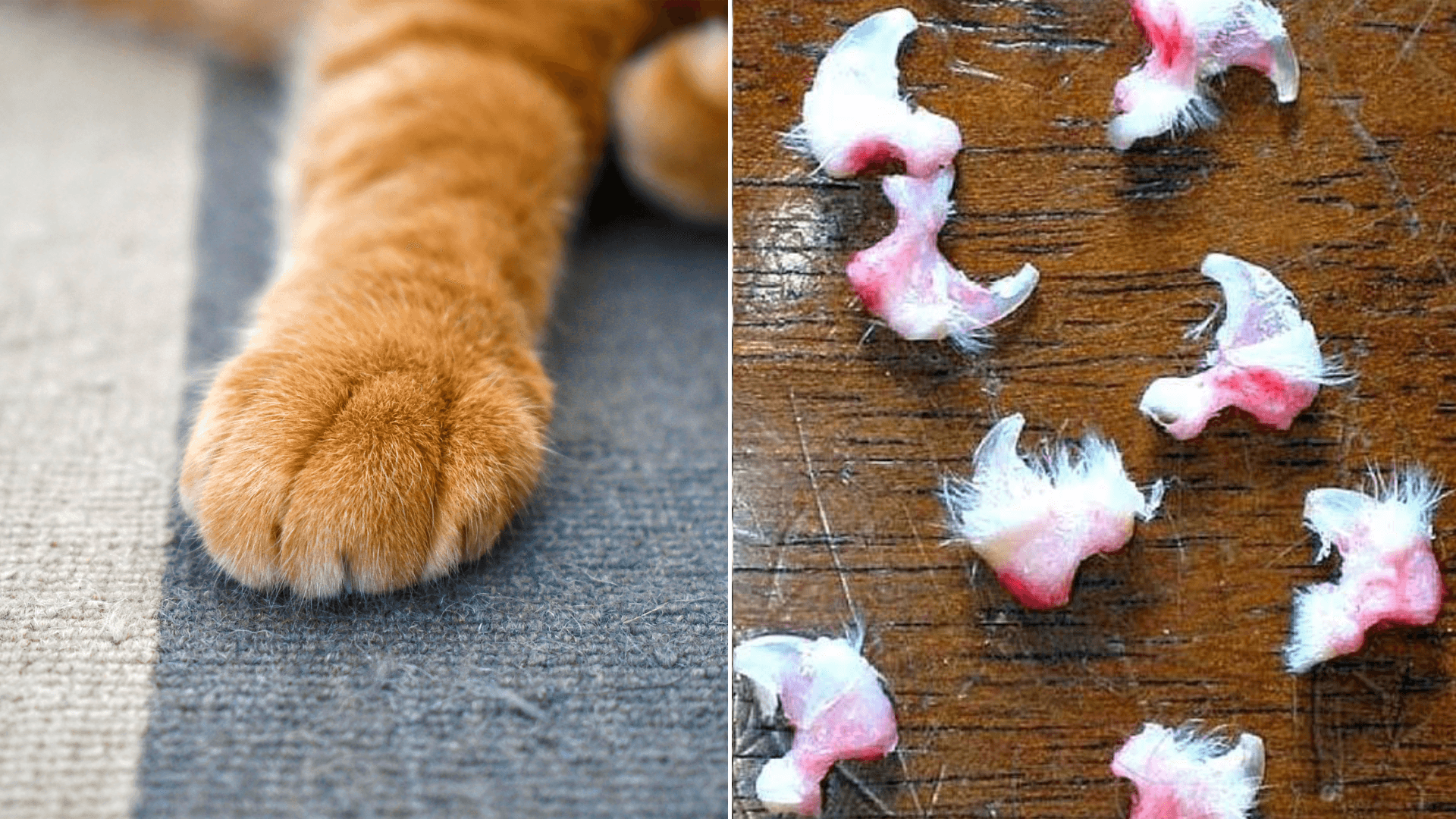
It is not “removing the nails.” A declaw removes the cat’s claw by surgically taking off part of each toe.
The AVMA describes it as amputation of all or part of the third phalanx, the bone where the claw attaches. Think of it less like a manicure and more like losing the last joint of a finger.
That anatomy detail is a big reason the procedure has been under fire.
When you remove bone, you change how a cat distributes weight, how they grip, how they climb, and even how they feel safe in their own space.
The Canadian Veterinary Medical Association also frames declawing as “partial digital amputation” and points out that scratching is normal feline behavior tied to stretching, territory marking, and emotional regulation.
Support for restrictions has been growing inside the veterinary world too.
The American Association of Feline Practitioners has a long-standing position opposing declawing as an elective procedure and pushes vets to educate owners on alternatives first.
Declawing Cats in California Now Comes With Real Punishment
So what does California’s law actually do in practice? It makes cat declawing illegal unless a veterinarian determines it is medically necessary.
Any declawing done for convenience now crosses a legal line.
That distinction matters because performing a non-medical declawing can trigger serious consequences.
Veterinarians who ignore the ban risk disciplinary action from the California Veterinary Medical Board, including fines, suspension, or even loss of their license.
The procedure itself is no longer treated as a casual option.
Under California law, carrying out an illegal declawing can also be considered a violation of the Veterinary Medicine Practice Act, moving it beyond professional guidelines and into enforceable territory.
In short, declawing cats in California is no longer just discouraged. It comes with real punishment attached.
Helping Cats Scratch Without Hurting Them
If you are a cat owner reading this and thinking, “Okay, but my cat scratches everything,” you are not alone.
Scratching is not a bad habit. It is a built-in system.
Cats scratch to shed old claw layers, stretch their shoulders and back, leave visual marks, and deposit scent from glands in their paws.
When cats do not have an acceptable target, they pick the next best thing, which is usually your couch.
The practical fix is not surgery. It is creating a scratch setup that actually makes sense to a cat.
That means at least one tall, stable post that does not wobble, plus a horizontal scratcher because some cats like to “dig” forward.
Put one near where your cat already scratches. Reward the moment your cat uses it. Keep nails trimmed regularly, because sharp tips do more damage.
Some owners also use soft nail caps as a temporary tool during training, especially in multi-cat homes or with high-energy kittens.
PetMD summarizes common alternatives like trimming, nail caps, and environment changes that reduce destructive scratching without removing a body part.
Final Thoughts
The bigger win here is what this signals about how we treat cats in 2026.
For a long time, cat care in North America leaned toward changing the cat to fit the home.
The direction now is the reverse. Change the home to fit the cat.
California’s ban forces that shift at scale, and it will likely shape what shelters, rescues, and vets teach new adopters from day one.
If you love cats, this is one of those moments where the law is basically catching up to what modern cat people already know.
A scratching cat is not a broken cat. It is a cat doing cat things. The answer is better outlets, better setup, and better habits, not amputations.