
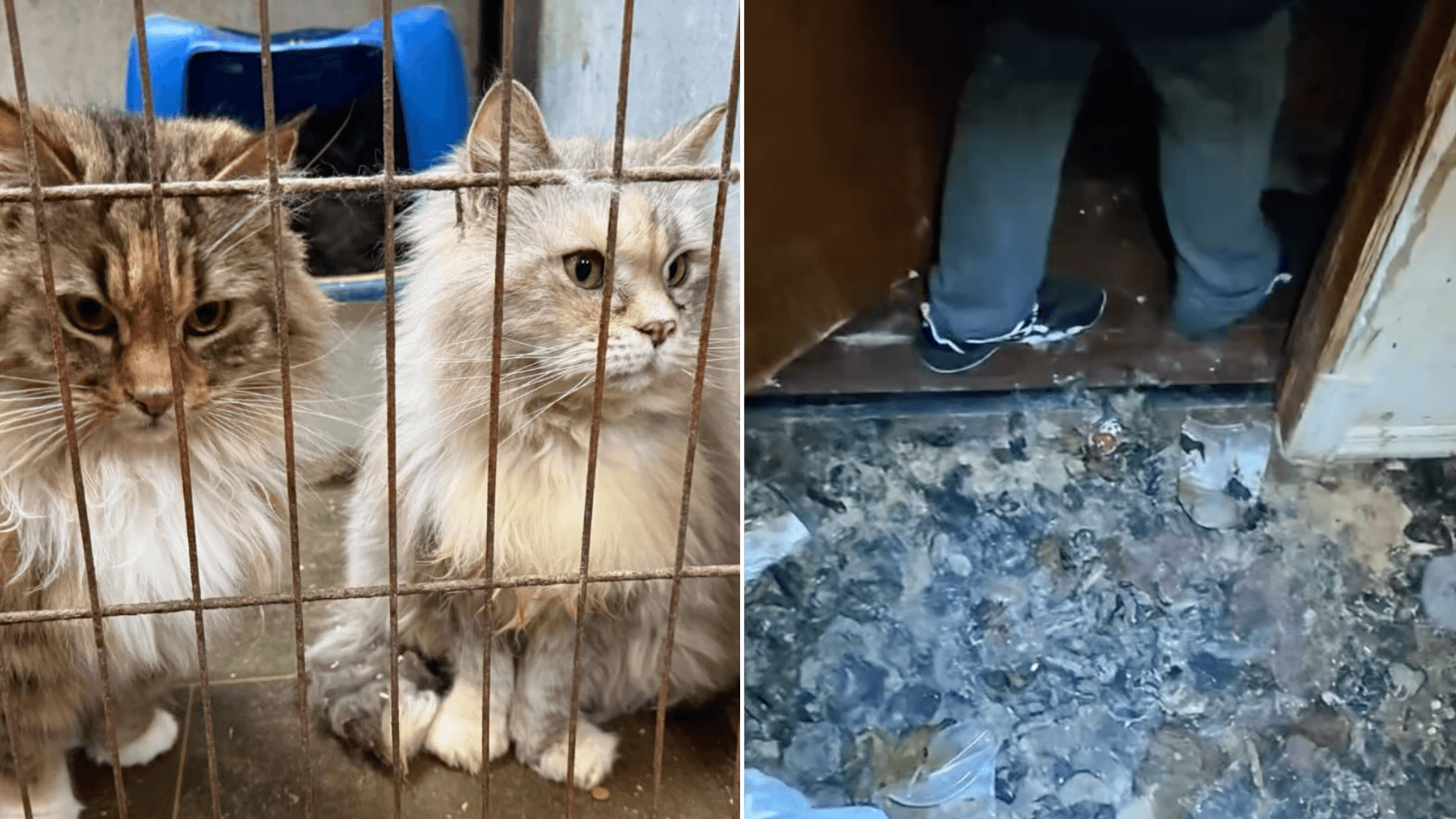
A dramatic animal rescue unfolded this week in West Islip, Long Island, after authorities discovered more than 100 cats living in what animal groups called “terrible, unsafe” conditions inside a residential home.
The massive operation started when someone on the outside sounded the alarm, and what was found inside has shocked even seasoned rescuers.
When members of the Suffolk County SPCA and local animal rescue teams stepped inside the Patricia Avenue property, they were met with a scene that volunteers have described as heartbreaking and overwhelming.
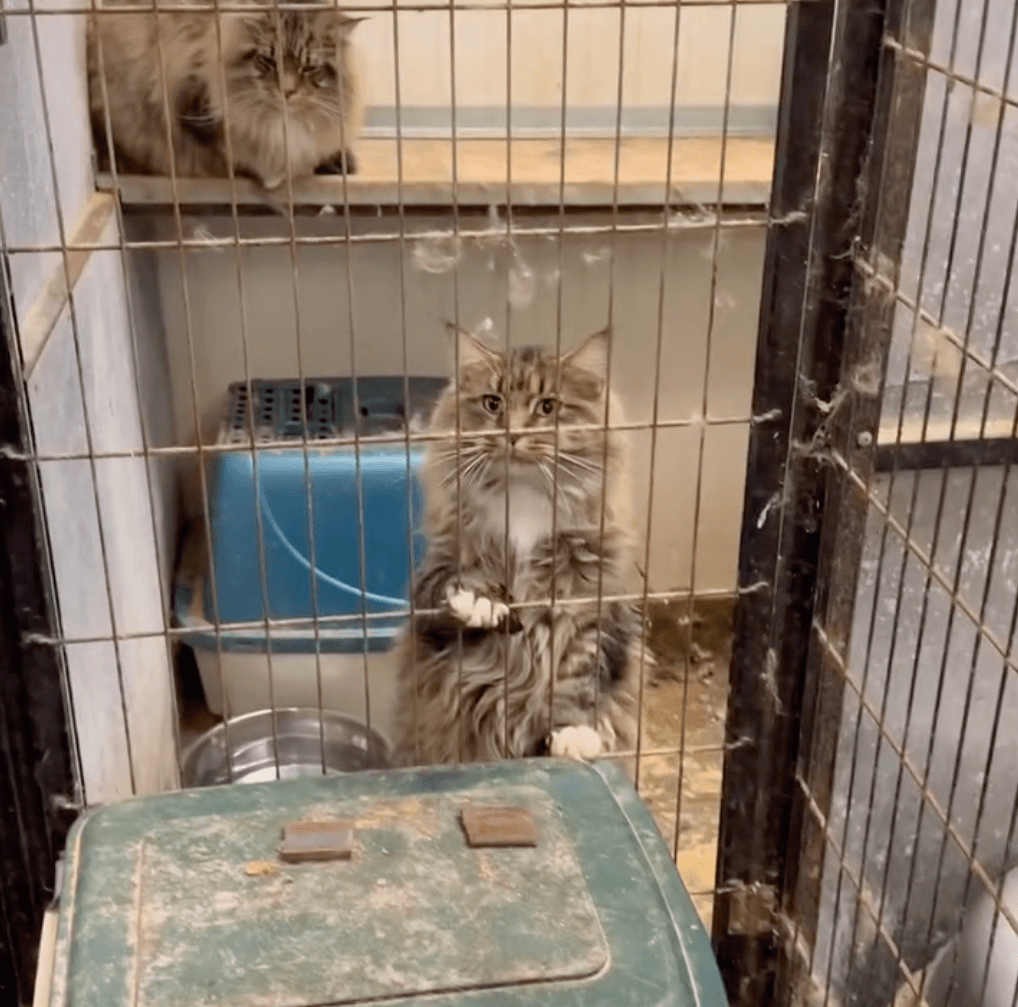
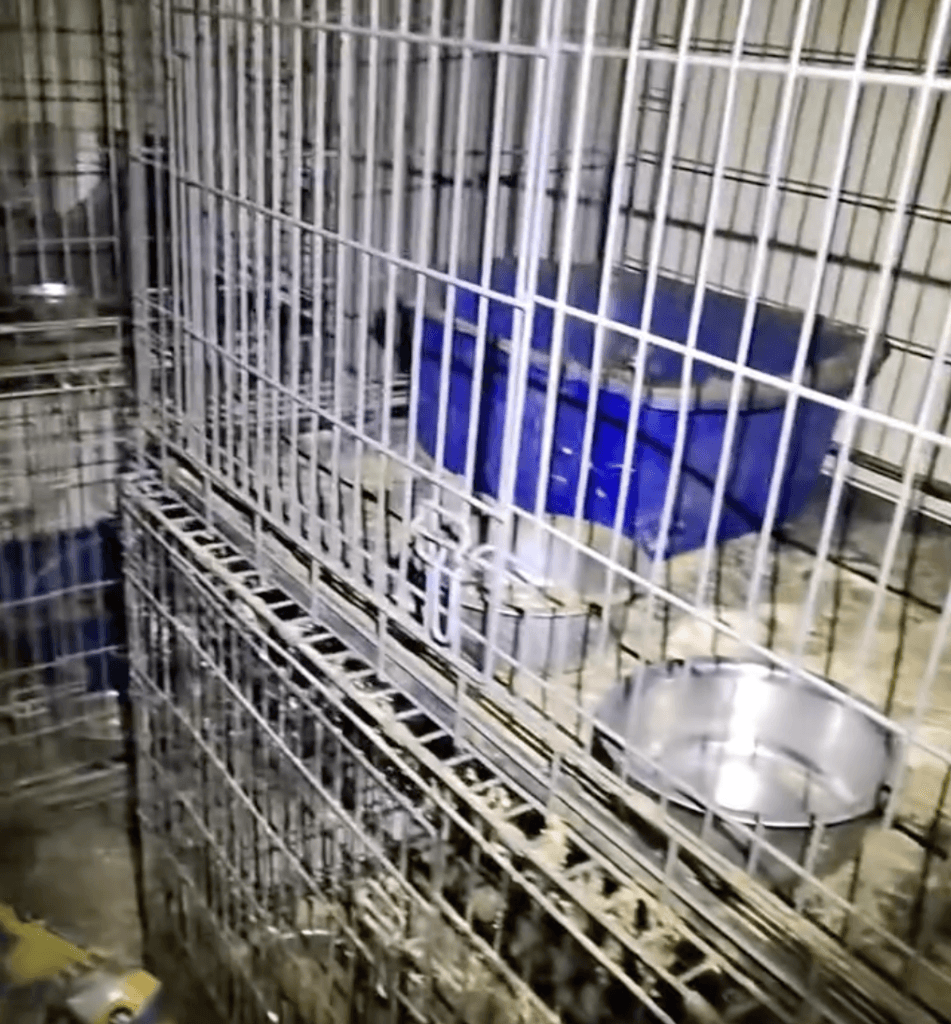
Cats were everywhere, many living amid piles of waste and filth, with no clean space to move around.
Rescue workers say the stench of urine and other hazards made air so thick it was hard to breathe.
One rescue volunteer said simply that the conditions were the worst she had ever seen.
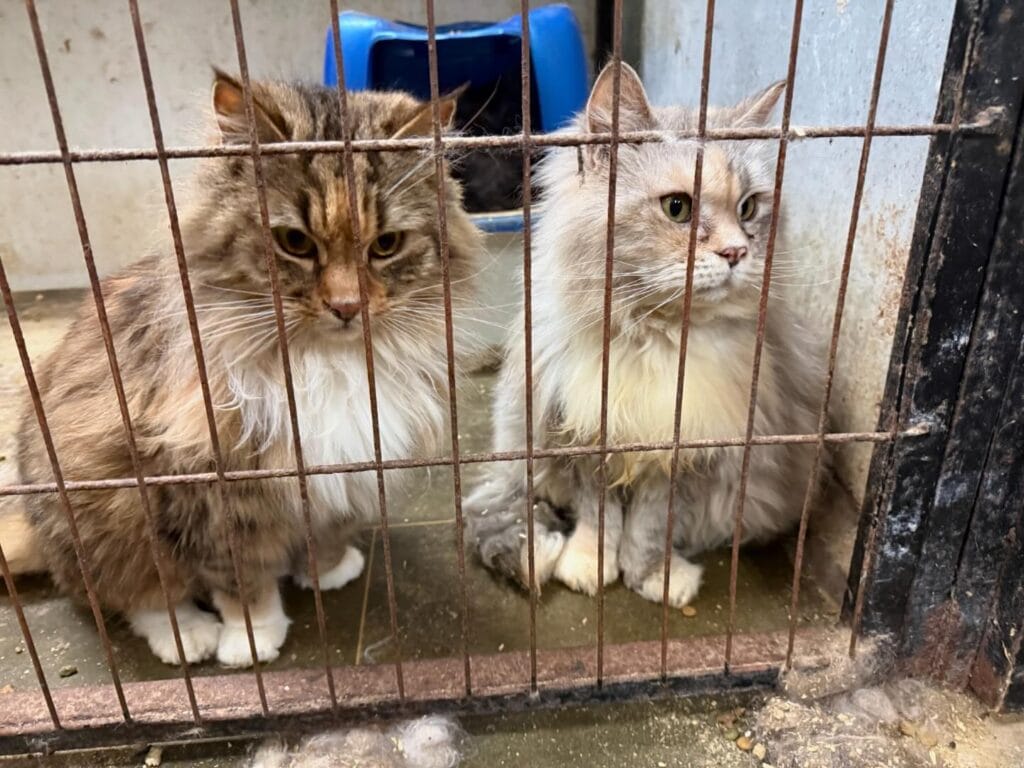
Many of the animals were underweight, coated in fleas, and suffering from basic neglect that can happen when animals are left in overcrowded, unsanitary environments for too long.
A Long-Running Situation Spurs Action
The operation was far from small. Multiple animal rescue groups from across Long Island rushed to help, including Save A Stray Rescue Inc., Last Hope Animal Rescue, and others.
Teams worked for hours to slowly secure and transport the cats out of the home and into safety.
Though a precise total is still being confirmed, officials estimate over 100 cats were found inside.
Many of them were Maine Coon cats, a large and popular breed that can fetch high prices on the pet market.
Rescue groups suspect this was not simply an accidental buildup of pets, but the result of a years-long breeding operation that got out of control.
That includes allegations that the owner had been selling cats online, with listings offering animals for thousands of dollars before the house was raided by investigators.
Owner Charged, House Condemned
Authorities have charged 66-year-old Grace Etzelsberger with animal neglect and confinement following the discovery.
The home itself has been condemned by local officials, who deemed it unfit for habitation due to the severe filth and unsafe conditions.
Investigators are still looking into whether Etzelsberger was licensed to breed cats or if any of the sales were conducted legally.
Her cattery website and social media accounts were reportedly taken down shortly before the rescue operation began.
Neighbors say they were surprised by the news.
Although deliveries of pet food and supplies were sometimes seen at the property, most people had no idea what was going on inside, and assumed any animals were part of a legitimate breeding setup.
Medical Care and Adoption Ahead
Once the cats were out of the home, the focus quickly shifted to care.
Rescue partners transported the animals to veterinary clinics and rehabilitation facilities where each cat could be examined, treated for health issues like respiratory infections, fleas and skin problems, and given the space to calm down after such a stressful ordeal.
According to rescuers, some cats are already on the road to recovery, while others will need more time, medical support and attention before they can be made available for adoption.
It’s expected that most if not all of the cats will be cleared for new homes once they are healthy enough and ready to make the transition.
What This Means for Animal Welfare
Cases like the West Islip rescue highlight a growing concern nationwide: animal hoarding and underground breeding operations that spiral out of control and leave animals in distress.
Experts say community vigilance and reporting suspicious conditions early can make the difference between life and tragedy for pets.
For now, the focus remains on helping these cats find comfort, health and the loving homes they deserve.
Rescue workers praise the effort of everyone involved, from anonymous tipsters to the volunteer teams that worked through the chaos to save so many lives.
“It’s a horrible situation, but we’re glad we were able to get these animals out,” one volunteer said. “They will have a second chance now.”