

Most people react to a parking ticket the same way. A sigh. Maybe a bit of frustration.
Then comes the annoying step of digging out a wallet and paying the fine.
But in one American city, drivers were suddenly given an option that sounded more like a social experiment than a traffic policy.
Instead of handing over money, they could clear their tickets with something completely different:
Cat food.
The unusual idea came from police in Muncie, Indiana, after officers learned their local animal shelter was struggling.
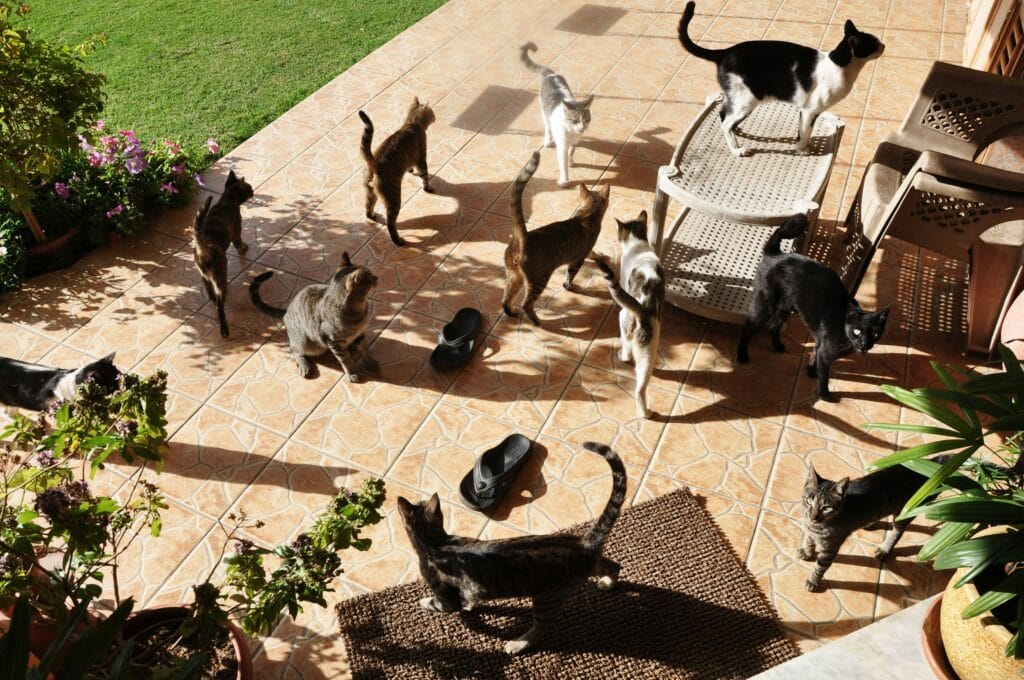
The facility was caring for hundreds of cats and kittens and supplies were running dangerously low.
Rather than launch a traditional fundraiser, the department tried something bold.
They offered drivers with certain parking violations the chance to donate pet supplies instead of cash.
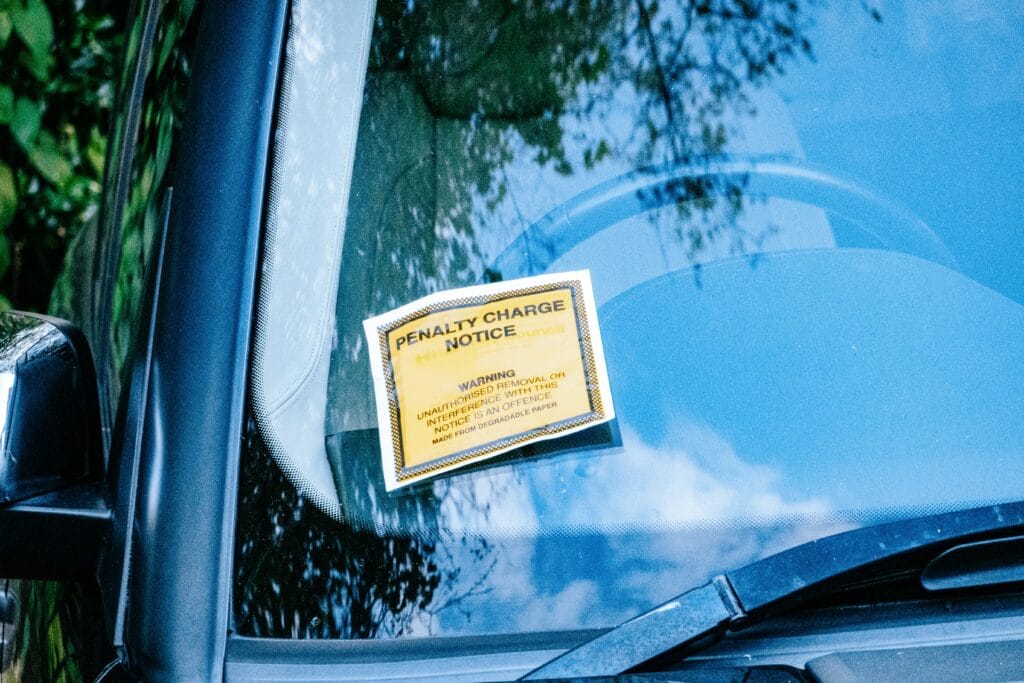
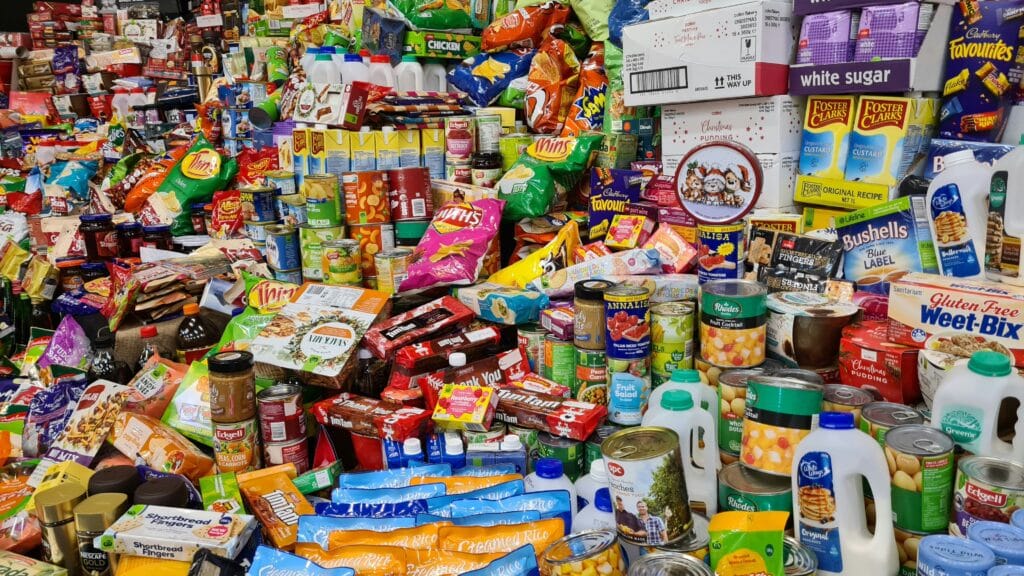
The exchange was simple. If a ticket totaled around $25, residents could bring an equivalent value in cat food or litter to the clerk’s office and have the fine dismissed.
At first, it sounded almost too good to be true. But word spread quickly.
Drivers showed up carrying bags of kibble, boxes of litter, and even extra donations beyond the value of their tickets.
Some people who did not owe any fines still joined in, dropping off supplies simply to help the shelter.
For animal welfare staff, the response was overwhelming.
The shelter had been facing a seasonal surge in animals, particularly during what rescuers call “kitten season,” when large numbers of young cats arrive needing food, medical care, and space.
Donations from the campaign helped ease that pressure almost overnight.
The initiative also revealed something surprising about community behavior.
Parking tickets usually feel like punishment, something that creates resentment.
Yet when the fine was turned into a chance to help animals, people’s reactions shifted.
Instead of anger, the campaign sparked curiosity, generosity, and even enthusiasm.
Police emphasized that not every violation qualified.
More serious offenses, such as handicapped-accessible parking violations or tickets requiring court action, were excluded.
The program focused only on minor infractions that could legally be resolved through the donation system.
Still, the impact was significant.
Shelters across the United States take in millions of animals every year, and cats make up nearly half of them.
Many facilities struggle with funding, overcrowding, and seasonal spikes in intake.
Campaigns like this one may seem small, but they can make a real difference in day-to-day operations.
The story also highlights how creative public programs can change how people engage with their community.
Instead of feeling punished, drivers felt like they were contributing to something meaningful.
What began as a quirky local experiment quickly turned into a feel-good example of how public institutions and residents can work together in unexpected ways.
Even years later, the idea continues to resurface online whenever conversations turn to unusual government initiatives or clever community solutions.
It stands out because it taps into something simple. People do not enjoy paying fines, but many are happy to help animals in need.
And perhaps that is the real lesson behind the campaign.
Sometimes the most effective solutions are not the strictest or the most expensive. Sometimes they are just the most human.
So the next time someone complains about a parking ticket, they might remember that somewhere, at least once, a fine turned into something far more useful than revenue.
It turned into full food bowls, cleaner cages, and hundreds of cats that got a better shot at finding a home.
Not a bad trade for a parking mistake.