
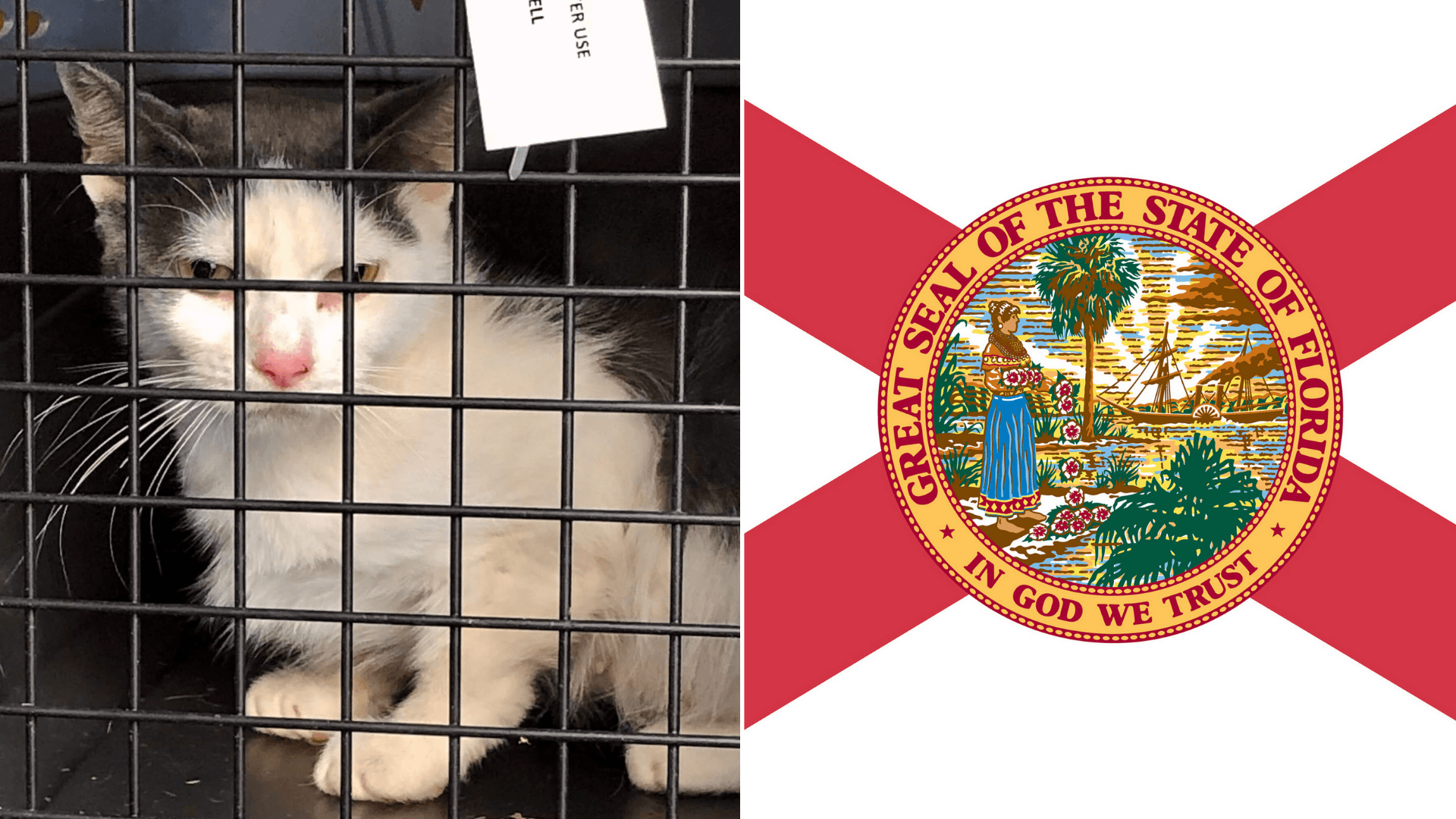
Florida just flipped the script on animal cruelty, and it is not a symbolic “we should do better” kind of move.
On January 1, 2026, something called Dexter’s Law hit a major milestone when a new, searchable public database went live, listing people who have been convicted of animal cruelty, or who pleaded guilty or no contest, even if adjudication was withheld.
If you are thinking, “So what, another registry,” this one is a big deal for anyone who cares about cats.
Shelters, rescues, and even regular people trying to rehome a cat now have a straightforward way to check if someone has a history of hurting animals. That is the whole point.
Fewer animals cycling straight from a cage into a nightmare home.
The law is named after Dexter, a dog whose case sparked outrage across Florida.
Reporting around the bill points to a horrific incident where Dexter was found dead after being adopted, and that outrage turned into pressure for lawmakers to make it harder for abusers to get their hands on more animals.
A New Registry That Could Change Animal Rescue Forever
Now here’s what changed on January 1 in plain terms.
Florida’s Department of Law Enforcement has to publish the names of people who violated Florida’s animal cruelty statute. The law spells it out.
Starting January 1, 2026, FDLE must post, in a searchable format, the names of people convicted of, or who entered a guilty or no contest plea to, a violation of Florida’s animal cruelty law.
That “no contest” and “regardless of adjudication” language matters more than most people realize.
In real life, it means this is not only about someone who went all the way through a trial and got convicted. If a case ends in a plea, it can still land a name in the database.
And Dexter’s Law is not only about visibility. It also aims to hit harder in the worst cruelty cases.
What Dexter’s Law Actually Does to Punish the Worst Cruelty Cases
Florida already has a specific category for aggravated animal cruelty, which covers situations where someone intentionally commits an act, or fails to act when they have custody of an animal, and it results in cruel death or excessive or repeated unnecessary pain or suffering.
Under Florida law, that is a third-degree felony and can carry a fine up to $10,000.
Dexter’s Law adds extra weight in the sentencing math for the ugliest versions of those crimes.
The bill creates a 1.25 sentencing multiplier when the primary offense is aggravated animal cruelty and it involved knowing and intentional torture or torment that injured, mutilated, or killed the animal.
That multiplier applies to the sentencing points used in Florida’s Criminal Punishment Code, which can push punishment higher.
This is the part that tends to get missed online. People hear “multiplier” and assume it automatically means an instant maximum sentence every time.
What it really does is make severe cruelty cases harder to shrug off with a light outcome, because the worksheet calculation used at sentencing gets bumped upward.
So why is the database the piece everyone is talking about right now? Because it is practical.
You do not need to be a lawyer to use it. If you run a rescue, you can screen applicants. If you are a cat owner who has to rehome a pet and you are nervous about where your cat ends up, you can check the name yourself.
Local coverage in Florida has framed it exactly that way, as a tool that makes screening faster and easier.
Why This Matters for Cats Just as Much as Dogs
There is also a ripple effect that feels very “2026 internet.” Public lists change behavior.
They change who gets quietly accepted into animal communities. They change who gets trusted with foster opportunities. They change who can walk into a shelter and casually pick out an animal like it is a TV remote.
Of course, there is a serious side to that too. Any public registry raises questions about accuracy, updates, and how quickly records are posted.
FDLE’s own information notes the database updates based on final disposition data it receives, which is a reminder that this is tied to court outcomes and reporting pipelines.
The biggest takeaway for everyone is simple. Dexter’s Law is not only a “dog story.” It is a statewide shift that can protect cats just as much, because it is aimed at stopping repeat abusers from getting any animal again with zero friction.
And as of January 1, 2026, the most visible part of that shift is live and searchable.